Field notes from the Lofoten dark
On polar night, frozen shutters, and what happens when you give up trying to see.
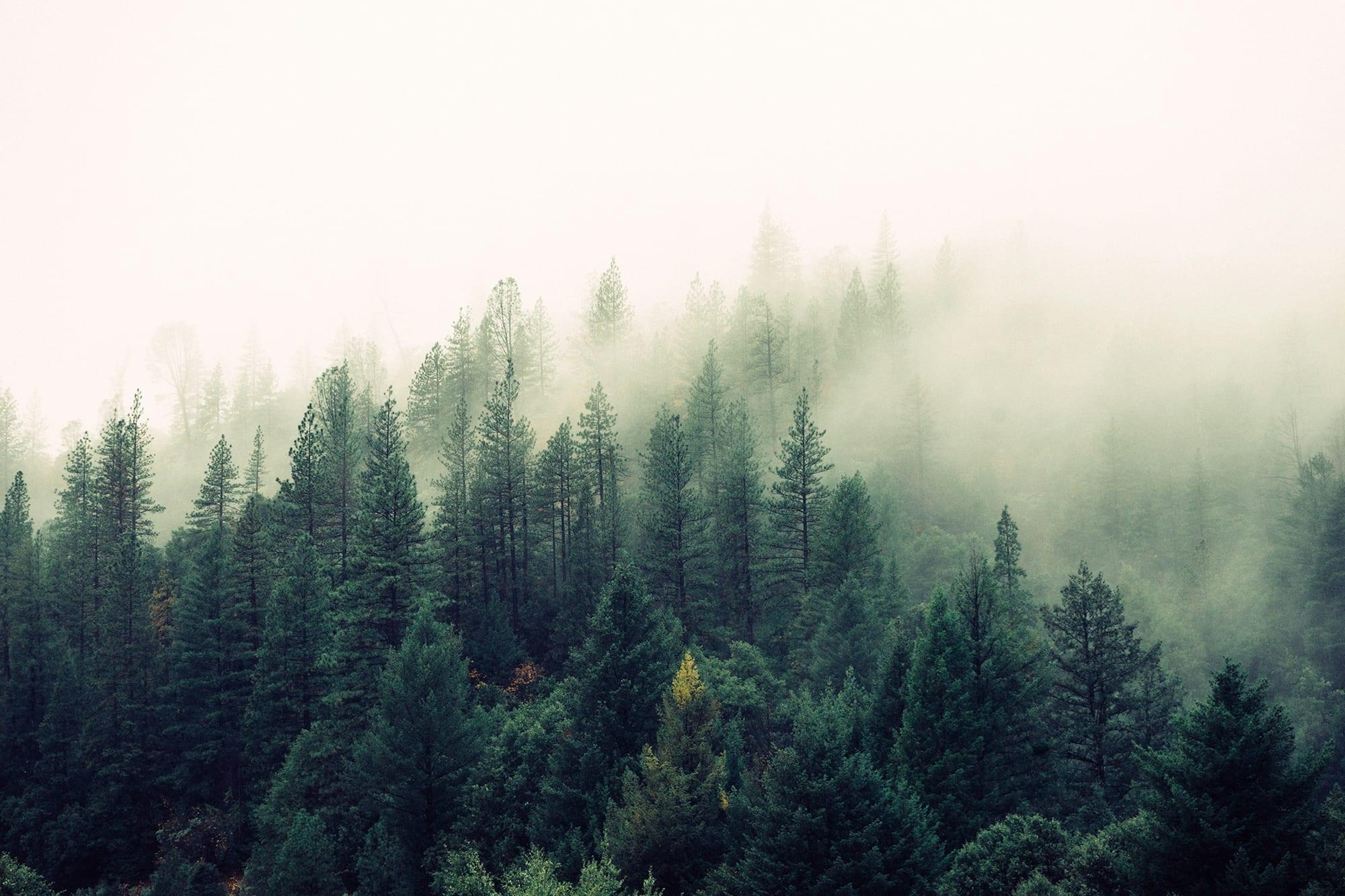
— Plate 01, Reine, Lofoten. Shot on Cinestill 800T pushed to 1600.
The first time I tried to load film in Reine, the canister came out of the bag at minus six and the leader snapped clean off in my fingers. I stood in the kitchen of a borrowed cabin, the woodstove behind me crackling at a hundred and eighty degrees of difference, and I laughed out loud, because nothing about the next week was going to be what I'd planned.
“Polar night isn't darkness. It's blue light, six hours wide, that won't let you forget what time it is.”
I'd come for the dark. I'd researched it for nine months. I had the moon phase, the tide tables, the aurora forecast, the firmware update on the back-up Leica. What I hadn't accounted for was that polar night isn't darkness. It's blue light, six hours wide, that won't let you forget what time it is.
What the cold does to film
Three things, mostly: it makes the leader brittle, it stiffens the rewind crank, and it slows the shutter on every mechanical body I own by a stop, sometimes a stop and a half. I learned to keep one camera inside my parka and one outside, swapping them every twenty minutes. The body inside took the calmer pictures. The body outside took the pictures I went there for.
By day five I'd given up trying to make the photographs I'd imagined. The light wouldn't have it and neither would my hands. I started taking pictures of what was actually in front of me — the kitchen window steaming over from the inside, a single lit boat moving across a black fjord, the print on the curtain in my room. Small, domestic, lukewarm. They are the only pictures from the trip I still want to look at.

Photographer based between Lisbon and Berlin. New essays land roughly once a month.